
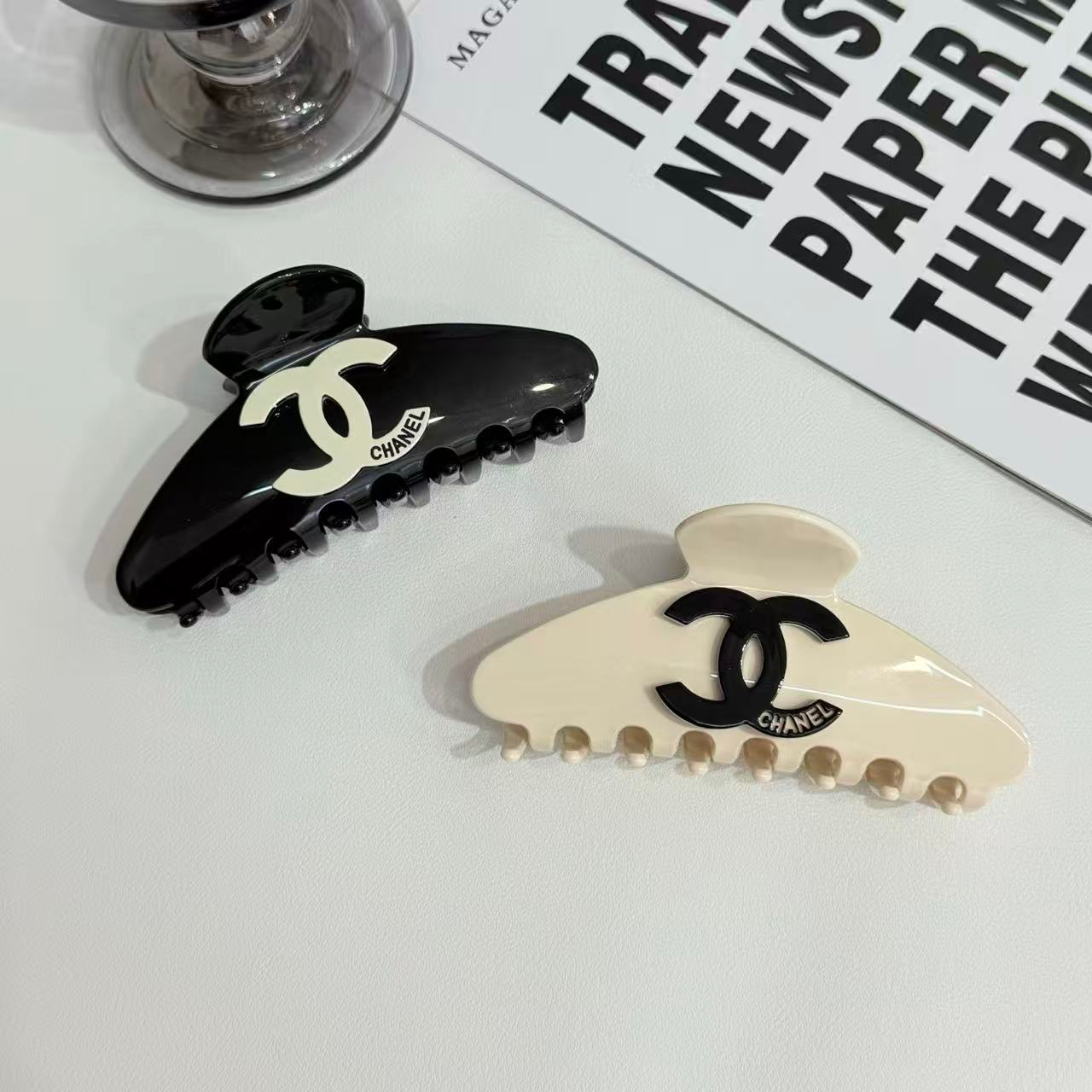
Best Barrettes for Fine Hair: What Actually Holds
Short answer: The best approach to best barrettes for fine hair is to start with the job the accessory needs to do, then match its size, shape, and construction to your hair. Focus on lightweight construction and secure closures; a well-chosen piece should feel secure without needing constant adjustment.
A useful hair accessory is not only decorative. It has to work with the amount of hair being held, the placement of the style, and the length of time you plan to wear it. This guide is especially useful for fine, soft, and low-density hair.
Start With the Style, Not the Trend
Before choosing an accessory, decide whether you need to hold all of your hair, secure one section, support an updo, or add a finishing detail. A clip that is excellent for a half-up look may be too small for a full twist. Likewise, a statement barrette may look balanced on a low-volume style but feel heavy when placed near the hairline.
Look at three practical factors: how much hair the accessory must hold, where it will sit, and how much movement the style needs to tolerate. When those factors are clear, material and color become easier choices rather than guesswork.
Quick Selection Checklist
| What to check | Why it matters | Simple test | |---|---|---| | Capacity | Prevents slipping and strain | Gather the intended section before choosing a size | | Edge finish | Helps reduce snagging | Run a fingertip along contact points | | Closure or spring | Controls hold and comfort | Open and close it several times before styling | | Placement | Keeps the look balanced | View the style from the front and side | | Weight | Affects all-day comfort | Wear it for a few minutes before committing |
Choose the Right Size and Construction
Size is more than length. For clips, consider opening depth, tooth length, and the amount of space inside the jaw. For barrettes and pins, consider how much hair the closure can capture. For combs, look at tooth spacing and the width of the base.
A smaller accessory is usually best for detail work, face-framing sections, and fine hair. A larger accessory is more suitable for thicker sections or styles that need a visible anchor. If you are between sizes, select the piece that fits the gathered hair without needing force. Excess pressure is a common cause of discomfort and premature wear.
A Reliable Way to Style It
- Start with dry, detangled hair and decide exactly which section the accessory will control.
- Build a stable base: a twist, a compact fold, a braid, or a gathered half-up section.
- Position the accessory so it catches both the style and nearby anchor hair.
- Check the tension at the scalp. It should feel secure, not sharp or restrictive.
- Look at the profile in a mirror and adjust the angle before leaving the house.
This method works because the accessory supports a prepared shape instead of trying to create structure on its own. If the style moves, add a discreet secondary pin or reduce the amount of hair being held rather than overtightening the main piece.
Common Mistake to Avoid
A frequent problem is buying an oversized barrette that drags down a small section. Instead, test the accessory with the exact section of hair you plan to wear. A piece that closes easily and stays aligned is more likely to remain comfortable and look intentional throughout the day.
Care That Helps Accessories Last
Keep accessories dry after use and store them where moving parts are not under pressure. Wipe smooth acetate or metal pieces with a soft cloth. For clips with springs or hinges, avoid leaving them open in a packed bag. When removing any accessory, release the closure fully before sliding it out so the hair is not dragged through the mechanism.
Thoughtful care protects both the surface finish and the working parts. It also makes it easier to notice early signs of misalignment, rough edges, or reduced tension before they affect a hairstyle.
FAQ
How do I know whether an accessory is the right size?
Gather the hair it needs to hold, then check whether the accessory closes without force and still has room to grip. If it pinches, opens back up, or leaves the style loose, choose a different size or reduce the section.
Should hair accessories feel tight?
No. They should feel stable but not painful. Tightness can cause scalp discomfort and make you more likely to readjust the style. A better anchor, a smaller section, or a second support is usually more effective than extra pressure.
What material is best for everyday hair accessories?
The best material depends on the style and your preferences. Smooth, well-finished acetate is popular for comfortable everyday clips; metal can create a clean structured look; fabric works well for soft, low-tension styles. Construction and finish matter as much as the material itself.
How can I make a style last longer?
Prepare the hair, anchor the accessory through a stable section, and avoid overloading one point. If needed, add a small supporting pin where movement begins rather than rebuilding the whole style.
Final Takeaway
Best Barrettes for Fine Hair: What Actually Holds comes down to making a deliberate match between the accessory and the job it needs to do. Prioritize lightweight construction and secure closures, test for comfort, and use placement to create hold. The result is a style that looks polished and remains easy to wear.